

Almost every couple goes over budget. Usually it isn't one big splurge but dozens of small decisions: a slightly bigger venue, a few more guests, an extra function, an upgrade here and there. A clear budget, set early and agreed by everyone paying, is the best protection. Here is how to build one.
Step 1: Agree on the total, and who is paying
Before you visit a single venue, sit down with everyone contributing, whether that is both families, the couple or a mix. Agree on a total you are all comfortable with, and who covers what. It is an awkward conversation, but far less awkward than disagreements halfway through planning.
Keep 10 to 15 percent of the total aside as a buffer. Something will always cost more than expected.
Step 2: Decide your guest count
Guest count drives almost everything: venue size, catering, decor, invitations and return gifts. Write a rough list from both sides early. If the budget feels tight, this is the most effective lever you have.
Step 3: Choose your three priorities
You can't have the best of everything. Pick the three things that matter most to you as a couple. For some it is photography, food and outfits. For others it is the venue, decor and music. Spend more on your priorities and keep everything else simple.
Step 4: Split the budget
Every wedding is different, but in most Indian weddings the venue and food take the largest share, often close to half of the total. The rest is shared across:
- Outfits and jewellery for the couple
- Photography and videography
- Decor and flowers
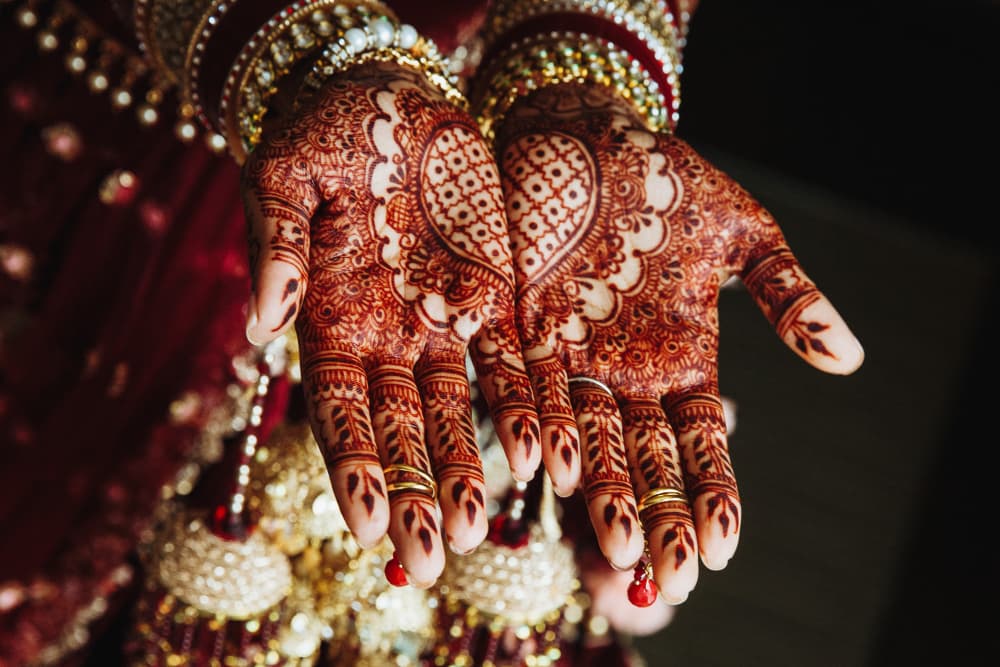
- Makeup, hair and mehndi
- Music, DJ and entertainment
- Invitations, favours and return gifts
- Transport and accommodation for guests
Get two or three quotes for each, and write them in a simple spreadsheet next to your target amount.
Costs couples often forget
- Taxes and service charges on vendor quotes
- Travel and stay for vendors coming from another city
- Early-morning or late-night charges for makeup artists and photographers
- Extra hours if functions run late
- Outfit alterations and blouse stitching
- Tips and payments for helpers on the day
- Guest accommodation, especially for destination weddings
- Pre-wedding shoots, trial sessions and small functions
Where couples usually overspend
The guest list keeps growing
Every extra guest adds to catering, seating, favours and sometimes a bigger venue. Agree on a final number early and stick to it.
Too many functions
Each extra function needs outfits, decor, food, makeup and photography. Combining the haldi and mehndi, or the sangeet and cocktail night, can save a lot without anyone feeling it.
Decor upgrades
Decor is easy to keep adding to. Choose one or two statement elements, such as the mandap and the entrance, and keep the rest simple.
Outfits worn once
Heavy outfits for every function add up quickly. Consider re-wearable outfits for smaller functions, or renting for one or two.
Booking late
Last-minute bookings often cost more, and leave you with fewer choices. Lock in key vendors early, especially in peak wedding season.
Where it's worth spending
- Photography: it is what you keep. A rushed or cheap job can't be redone.
- Food: it is what guests remember and talk about.
- Your own comfort: a good makeup artist, comfortable shoes and an outfit you can move in.
Track everything
Keep one shared sheet with every vendor, the quote, the advance paid, the balance due and the due date. Update it every time you pay. It takes ten minutes a week and saves a lot of stress.
Compare vendors on WedVue
Browse photographers, makeup artists, venues and more on WedVue, compare prices and portfolios, and message vendors directly to get clear quotes for your dates.