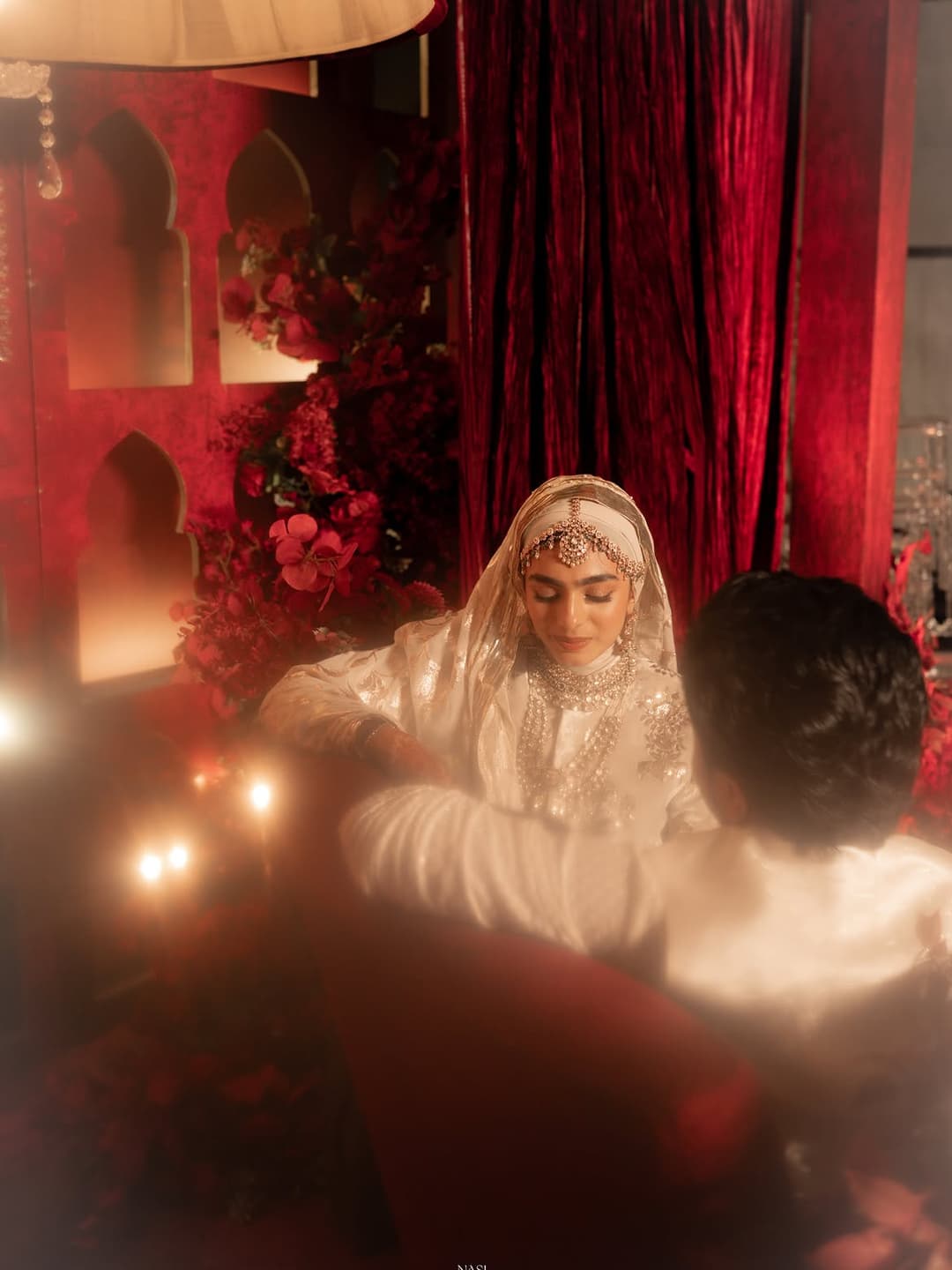


When you start talking to photographers, you will hear two words again and again: candid and traditional. Some photographers offer one, some offer both, and packages are often priced around them. Here is what each actually means.
Traditional photography
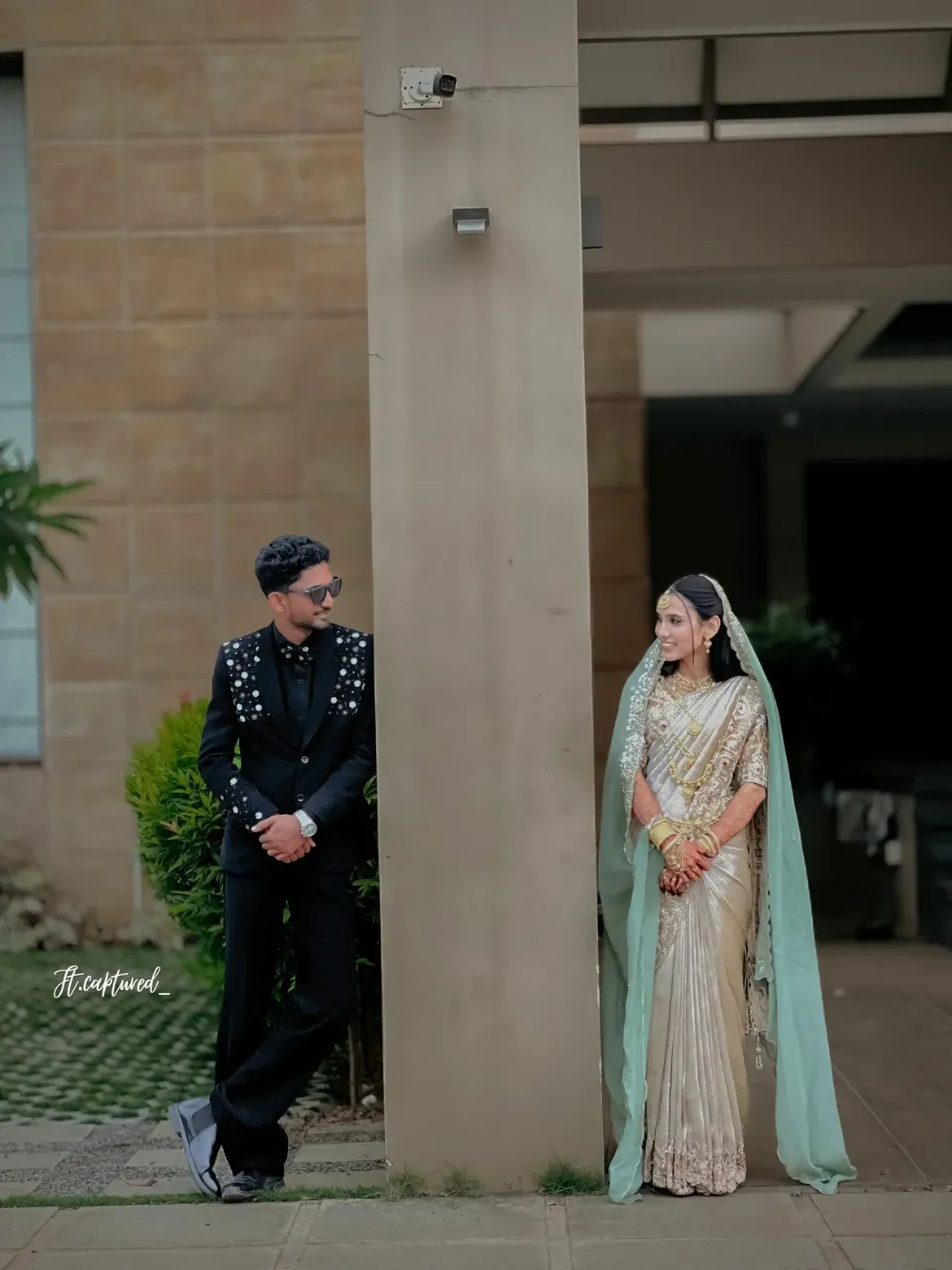
Traditional wedding photography is posed and planned. The photographer arranges people, directs them to look at the camera, and makes sure every important person and ritual is clearly recorded.
- What it captures well: Family groups, the couple with every set of relatives, stage photos at the reception, and each step of the ceremony shown clearly.
- Why families value it: Everyone is in it, everyone is looking good, and nothing important is missed. These are the photos that end up in the family album and on the wall at home.
- The trade-off: It can feel stiff, and posed shots rarely capture how the day actually felt.
Candid photography
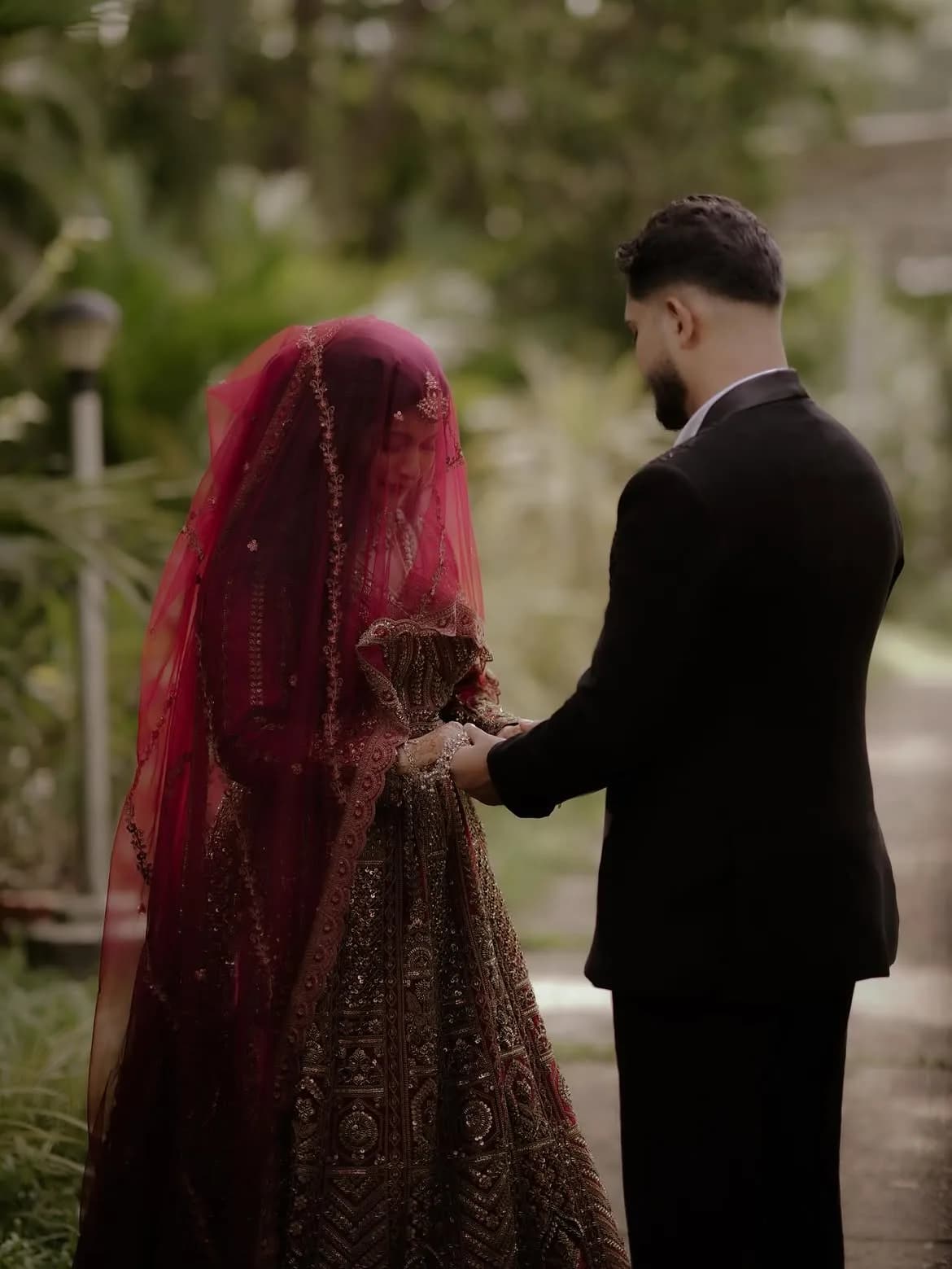
Candid photography is unposed. The photographer moves quietly through the day and captures moments as they happen: a laugh during the haldi, a father's face during the vidaai, a child asleep on a chair at midnight.
- What it captures well: Emotion, atmosphere, small details and the in-between moments nobody thinks to ask for.
- Why couples love it: The photos feel alive. Years later, they bring back how the day felt, not just who was there.
- The trade-off: A candid photographer won't systematically cover every relative or every ritual from the best angle. That is not their job.
What about the video?
The same split exists in video. Traditional videography records the ceremony fully and in order. Cinematic videography, often called a wedding film, is edited like a short film with music and story. Many couples get a short cinematic film to share and a longer traditional video to keep.
Do you need both?
For most Indian weddings, the honest answer is yes. A typical wedding has many rituals, many functions and many relatives, and families usually expect a complete record. At the same time, most couples want photos that feel natural and personal.
The good news is that you don't always need two separate teams. Many studios now offer a combined team: one photographer focused on candid moments and another handling traditional coverage and family groups.
When candid alone might be enough
- Small, intimate weddings where every guest is close family or friends
- Destination weddings with a short guest list
- Couples who are happy to schedule a short, dedicated session for family portraits
When you'll want strong traditional coverage
- Large weddings with several hundred guests
- Long ceremonies with many rituals elders will want recorded
- Receptions with stage photos for every guest
Questions to ask your photographer
- How many people will cover candid, and how many traditional?
- Will both styles be covered at every function, or only the main ones?
- How many edited photos of each type will we receive?
- Can we see a full gallery that shows both styles from one wedding?
- How do you handle family group photos so they don't take over the evening?
A tip for the day
Give your photographers a list of must-have family groupings and assign a relative who knows everyone to help gather them. That keeps the traditional photos quick, and leaves the candid photographer free to do their best work.
Find your photographer on WedVue
Browse photographers and videographers on WedVue, compare candid and traditional work in their portfolios, and message them to ask what a combined package would look like for your dates.